
Top Psychologists in West Footscray: Who to See for Anxiety, Trauma, and More

Deciding to seek support for your mental health is one of the most courageous steps you can take. Whether you are navigating anxiety, processing trauma, managing low mood, or simply finding life’s pressures overwhelming, speaking with a psychologist can make a meaningful difference. The good news for residents of Melbourne’s inner west is that quality psychological care is closer than you might think.

West Footscray has become home to a growing number of dedicated mental health practices, offering accessible, evidence-based support across a wide range of concerns. From anxiety and stress to trauma, depression, and relationship challenges, local psychologists are equipped to help people of all ages find their footing. If you have been searching for a psychologist that Footscray locals trust, this guide will walk you through what is available in the area and how to find the right fit for your needs.

Why Seeing a Psychologist in West Footscray Makes Sense

Accessing mental health support close to home offers practical and emotional benefits. Local psychologists tend to understand the community context, cultural diversity, and everyday pressures that people in Melbourne’s inner west experience. There is no lengthy commute, no unfamiliar suburb to navigate, and no unnecessary barrier between you and the help you deserve.

It is worth understanding what a registered psychologist does. A psychologist is a university-trained health professional who assesses and treats a broad range of mental health conditions using evidence-based therapies. They differ from GPs, who can provide mental health support and referrals but are not specialists in psychological therapy, and from psychiatrists, who are medical doctors focusing on diagnosis and medication management.

Psychological therapy is also known as talking therapy and involves working collaboratively with a trained professional to understand your thoughts, feelings, and behaviours, and to develop strategies for lasting change.

Importantly, most Australians can access Medicare-subsidised sessions with a psychologist through a Mental Health Treatment Plan, which your GP can prepare for you. This currently allows for up to 10 rebated individual sessions per calendar year. Eligibility and rebate amounts depend on individual circumstances, so speak with your GP for personalised guidance.

Common Concerns Treated by Psychologists in West Footscray

Psychologists work with a wide range of presentations. Below are some of the most common concerns addressed by practices in the West Footscray area.

Anxiety and Stress

Anxiety is one of the most frequently presented concerns in psychological practice. It can show up as persistent worry, panic attacks, social anxiety, phobias, or a constant sense of being on edge. Left unaddressed, anxiety can significantly affect daily functioning, relationships, and overall quality of life.

Evidence-based approaches such as Cognitive Behavioural Therapy (CBT) and mindfulness-based therapies may help individuals understand the patterns that drive anxious thinking and develop practical coping strategies. Treatment is tailored to each person’s unique experience.

Trauma and PTSD

Trauma can stem from a single event or from prolonged difficult experiences, including childhood adversity, accidents, violence, or grief. Responses to trauma vary widely from person to person. Trauma-informed psychologists use approaches such as trauma-focused CBT and Eye Movement Desensitisation and Reprocessing (EMDR) to support clients in processing their experiences in a safe, structured way.

If you are living with the effects of past trauma, working with a psychologist who specialises in this area can be an important step toward recovery and wellbeing.

Depression and Low Mood

Depression is more than feeling sad. It can affect sleep, motivation, concentration, appetite, and your sense of self. Psychologists can work alongside your GP or psychiatrist to provide psychological therapy as part of a broader treatment approach. Evidence-based therapies such as CBT, Acceptance and Commitment Therapy (ACT), and Behavioural Activation have a strong research base for supporting people experiencing depression.

It is important to speak with your GP if you are experiencing symptoms of depression, as a coordinated approach between your health professionals often produces the best outcomes.

Life Transitions and Relationship Issues

Not all reasons to see a psychologist involve a clinical diagnosis. Many people seek support during significant life changes such as career transitions, separation or divorce, becoming a parent, bereavement, or adjusting to a new phase of life. Psychologists can also support individuals navigating relationship difficulties, communication challenges, and family conflict.

Children, Adolescents, and Families

Mental health support is just as important for younger people as it is for adults. Several practices in West Footscray offer services tailored to children, teenagers, and families, addressing concerns such as school anxiety, emotional regulation, behavioural challenges, and the mental health impacts of family change.

Top 5 Psychologists in West Footscray

The following practices are well-regarded local options for psychological support. This list is not ranked or exhaustive, and the right choice will depend on your individual needs, preferences, and circumstances.

1. Inner View Psychology

Inner View Psychology is a West Footscray-based practice providing individual psychological therapy for adults, adolescents, and children. The team takes a client-centred approach, working collaboratively to understand each person’s unique situation and tailor evidence-based treatment accordingly. Areas of focus include anxiety, depression, trauma, grief, and life transitions. Inner View Psychology offers in-person appointments as well as telehealth options, making care accessible regardless of your schedule or location. If you are looking for a psychologist Footscray residents can rely on, Inner View Psychology is a welcoming and professional starting point.

2. Westside Psych

Westside Psych is a local practice committed to providing accessible, evidence-based psychological care to the West Footscray community. The practice supports clients across a range of presentations, with a focus on creating a safe and non-judgmental therapeutic environment. Westside Psych is well-suited to individuals seeking support for anxiety, mood difficulties, and general psychological wellbeing.

3. Perennial Psychology

Perennial Psychology offers psychological services with a focus on growth, resilience, and long-term wellbeing. The practice works with clients across different life stages, supporting them through both acute mental health challenges and broader personal development goals. Their approach is grounded in evidence-based practice and adapted to the individual needs of each client.

4. Curious Mind Psychology

Curious Mind Psychology brings a thoughtful, inquisitive approach to mental health care. The practice supports individuals exploring complex emotions, behavioural patterns, and the underlying factors contributing to their psychological distress. This practice may be a strong fit for those who want a deeper, reflective style of therapeutic engagement.

5. Enriching Minds Psychology

Enriching Minds Psychology is focused on helping clients build insight and practical skills to improve their mental health and quality of life. The practice offers support for a range of concerns including anxiety, stress, depression, and self-esteem, and places a strong emphasis on empowering clients to thrive beyond the therapy room.

How to Choose the Right Psychologist for You

Choosing a psychologist is a personal decision, and finding the right fit matters. Research suggests that the quality of the relationship between client and psychologist, often called the therapeutic alliance, is one of the strongest predictors of positive outcomes.

Here are some helpful questions to consider when making your choice:

  • Do they have experience with my specific concern (e.g. trauma, anxiety, child psychology)?
  • Do they offer Medicare rebates or bulk billing?
  • Are telehealth appointments available if I need them?
  • What therapeutic approaches do they use?
  • Do they have availability that suits my schedule?

Your GP can help guide this process by preparing a Mental Health Treatment Plan and recommending suitable practitioners. If you begin seeing a psychologist and feel the fit is not quite right, it is perfectly acceptable to try someone else. Finding the right match is more important than sticking with someone who does not suit your needs.

Remember, reaching out for help is often the hardest part. Once you take that step, you are already on the path forward.

Conclusion

West Footscray is fortunate to have a growing community of skilled, compassionate psychologists offering support for a wide range of mental health concerns. Whether you are dealing with anxiety, processing trauma, managing depression, or navigating a difficult life transition, there is local help available.

If you are ready to take the first step, consider speaking with a psychologist in Footscray locals trust, or reach out to any of the practices listed in this guide to enquire about availability and services. You can also speak with your GP about a Mental Health Treatment Plan to access Medicare-subsidised sessions.

You do not have to manage things alone. Support is available, and it is closer than you think.


This article is intended for informational purposes only and does not constitute medical or psychological advice. Please consult a qualified health professional for assessment and personalised support tailored to your individual circumstances.

Physiotherapist Adelaide Services for Injury Recovery and Mobility

Pain, stiffness, and reduced mobility can significantly affect daily life, whether they result from a sudden injury, long-term wear and tear, or repetitive strain from work or sport. Many residents in Adelaide seek professional support when these issues begin to interfere with movement, comfort, or overall quality of life.

Physiotherapy offers a structured, evidence-based approach to assessing, diagnosing, and treating musculoskeletal conditions. A physio Adelaide provides personalised care designed to reduce pain, restore movement, and improve physical function through a combination of hands-on treatment, exercise rehabilitation, and education.

Rather than simply addressing symptoms, physiotherapy focuses on identifying the underlying cause of pain or dysfunction. This ensures treatment is tailored to each individual’s condition, lifestyle, and recovery goals.

This article is for general informational purposes only and does not replace professional medical advice, diagnosis, or treatment. If you are experiencing persistent pain or injury, consult a qualified healthcare professional.

What Does a Physiotherapist Do?

Physiotherapists are trained health professionals who specialise in the assessment and treatment of movement-related conditions. Their goal is to help patients recover from injury, manage pain, and improve mobility and physical performance.

Understanding Physiotherapy Care

A physiotherapist typically:

  • Assesses musculoskeletal and movement issues
  • Identifies the root cause of pain or dysfunction
  • Develops personalised treatment plans
  • Supports recovery and long-term prevention strategies

Physiotherapy is commonly used for both acute injuries and chronic conditions.

Techniques Used in Physiotherapy

Treatment may include:

Each approach is selected based on the individual’s needs and condition.

Common Conditions Treated by Physiotherapists in Adelaide

Physiotherapists manage a wide range of conditions affecting muscles, joints, and nerves.

Musculoskeletal Injuries

These include:

  • Back and neck pain
  • Muscle strains and ligament sprains
  • Shoulder, hip, and knee injuries

These issues often result from sudden movement, poor posture, or physical overload.

Sports and Overuse Injuries

Common examples include:

  • Tendonitis and repetitive strain injuries
  • Gym or running-related injuries
  • Acute sports trauma such as sprains and strains

Chronic Pain and Mobility Issues

Physiotherapy also supports individuals with:

  • Arthritis-related stiffness
  • Long-term back pain
  • Reduced mobility and joint function

How Physiotherapy Supports Injury Recovery

Recovery from injury requires a structured and progressive approach.

Early Stage Pain Management

In the early stages, physiotherapy focuses on:

  • Reducing pain and inflammation
  • Encouraging safe, controlled movement
  • Preventing further injury or aggravation

This stage helps stabilise the condition and promote healing.

Restoring Strength and Mobility

As recovery progresses, treatment focuses on:

  • Rebuilding muscle strength
  • Improving joint flexibility
  • Restoring normal movement patterns
  • Gradually increasing physical load

Rehabilitation and Exercise Programs

Exercise is a core part of physiotherapy treatment and recovery.

Individualised Treatment Plans

Each rehabilitation program is tailored to the individual and may include:

  • Strength and conditioning exercises
  • Mobility and flexibility training
  • Functional movement retraining
  • Goal-based progression planning

These programs ensure recovery is safe and effective.

Functional Movement Training

Physiotherapists also focus on real-life movement patterns such as:

  • Walking and stair climbing
  • Lifting and bending mechanics
  • Postural control and balance
  • Sport-specific movement retraining

In addition to exercise-based rehabilitation, many treatment plans may incorporate complementary therapies such as remedial massage to help reduce muscle tension, improve circulation, and support recovery alongside physiotherapy care.

Role of Manual Therapy in Physiotherapy

Manual therapy is often used alongside exercise rehabilitation to improve movement and reduce pain.

Hands-On Treatment Techniques

These may include:

  • Joint mobilisation techniques
  • Soft tissue therapy
  • Stretching and assisted movement
  • Pain relief techniques

Integration with Exercise Rehab

Manual therapy is most effective when combined with:

  • Strengthening exercises
  • Movement retraining
  • Long-term rehabilitation programs

This integrated approach supports better recovery outcomes.

Benefits of Seeing a Physiotherapist in Adelaide

Physiotherapy provides both immediate and long-term benefits for physical health.

Short-Term Benefits

  • Reduced pain and discomfort
  • Improved movement and flexibility
  • Faster recovery from injury

Long-Term Benefits

  • Reduced risk of re-injury
  • Improved posture and movement patterns
  • Better physical performance and strength

Lifestyle Benefits

  • Easier return to work and daily activities
  • Improved quality of life
  • Greater independence in movement

When Should You See a Physiotherapist?

Knowing when to seek treatment can improve recovery outcomes.

Warning Signs

You may benefit from physiotherapy if you experience:

  • Persistent or recurring pain
  • Difficulty moving or completing daily tasks
  • Pain following injury or physical activity
  • Reduced strength or mobility

Benefits of Early Intervention

Early treatment can:

  • Speed up recovery
  • Prevent long-term complications
  • Improve movement and function
  • Reduce the risk of chronic pain

Choosing the Right Physiotherapist in Adelaide

Selecting a qualified provider ensures safe and effective care.

What to Look For

A good physiotherapy clinic should offer:

  • Qualified and registered physiotherapists
  • Experience in musculoskeletal rehabilitation
  • Evidence-based treatment approaches
  • Individualised care plans

Importance of Comprehensive Care

The most effective physiotherapy combines:

  • Manual therapy
  • Exercise rehabilitation
  • Education and prevention strategies

This holistic approach supports long-term recovery.

Physiotherapy plays an essential role in helping individuals recover from injury, manage pain, and restore movement. By addressing the underlying causes of dysfunction and providing structured rehabilitation, physiotherapists support both short-term recovery and long-term physical health.

For residents in Adelaide, accessing a physio Adelaide can make a significant difference in improving mobility, reducing pain, and preventing future injuries. Treatment is tailored to each individual, ensuring care is both effective and sustainable.

Supportive therapies such as remedial massage may also complement physiotherapy by reducing muscle tension and enhancing recovery outcomes.

This article is for general informational purposes only and does not replace professional medical advice, diagnosis, or treatment. If you are experiencing pain or injury, consult a qualified healthcare professional.

If you are ready to take the next step toward recovery, improved mobility, and better physical health, book a consultation with a physio Adelaide today.

How Age Affects Fertility: What You Need to Know

Fertility is a crucial aspect of reproductive health, and age plays a significant role in both male and female fertility. Understanding how age affects fertility can help individuals make informed decisions about family planning, fertility preservation, and reproductive health care.

The Biological Clock and Female Fertility

Female fertility is largely dependent on age due to the finite number of eggs a woman is born with. Unlike men, who produce sperm throughout their lives, women are born with a set number of eggs that decline in quantity and quality over time.

Fertility in the 20s

The 20s are considered the peak reproductive years for women. During this period, the ovarian reserve is at its highest, and the eggs are generally of the best quality. The chances of conception each month for a healthy couple are about 25-30%.

Fertility in the 30s

In the early 30s, fertility remains relatively high, but by the mid-to-late 30s, a noticeable decline begins. The risk of miscarriage and chromosomal abnormalities, such as Down syndrome, also increases. By age 35, a woman’s chance of conceiving each cycle drops to around 15-20%.

Fertility in the 40s

By the time a woman reaches her 40s, fertility declines significantly due to diminished ovarian reserve and declining egg quality. The likelihood of natural conception drops to about 5% per cycle by age 40. Additionally, there is a higher risk of complications such as preeclampsia, gestational diabetes, and preterm birth.

Male Fertility and Age

While men continue to produce sperm throughout their lives, age can also impact male fertility. Sperm quality, motility, and overall reproductive health decline with age.

Sperm Quality and DNA Integrity

As men age, sperm DNA fragmentation becomes more common, increasing the risk of miscarriage and genetic disorders. Studies have shown that men over 40 may have a lower likelihood of fathering a healthy pregnancy compared to younger men.

Decreased Testosterone Levels

Testosterone, which plays a key role in sperm production and libido, naturally declines with age. This can result in reduced sperm production and lower fertility potential.

The Impact of Age on Fertility Treatments

For individuals facing age-related fertility challenges, assisted reproductive technologies (ART) such as in vitro fertilization (IVF) and egg freezing can offer hope.

IVF Success Rates and Age

IVF success rates decline with age due to the lower quality and quantity of eggs. Women under 35 have a success rate of about 40%, whereas women over 40 may have a success rate closer to 10-20% per cycle. Using donor eggs from younger women can significantly improve success rates.

Egg Freezing as a Fertility Preservation Option

For women who wish to delay childbearing, egg freezing (oocyte cryopreservation) can be a viable option. Freezing eggs at a younger age preserves their quality, increasing the likelihood of successful pregnancy later in life.

Lifestyle Factors That Influence Age-Related Fertility Decline

While aging is a natural process, certain lifestyle choices can exacerbate or mitigate its effects on fertility.

Nutrition and Exercise

A well-balanced diet rich in antioxidants, vitamins, and minerals can support reproductive health. Regular exercise helps maintain hormonal balance, but excessive high-intensity workouts can negatively impact ovulation.

Avoiding Smoking and Alcohol

Smoking accelerates ovarian aging and reduces sperm quality. Excessive alcohol consumption can also disrupt hormonal balance and affect both male and female fertility.

Stress Management

Chronic stress can interfere with hormone production and ovulation. Mindfulness practices, such as yoga and meditation, can support reproductive well-being.

Seeking Fertility Support

For individuals or couples struggling with age-related fertility challenges, consulting a fertility specialist can provide guidance on available options. Clinics such as those in Mount Waverley offer specialized reproductive health services, including fertility assessments and treatment plans tailored to individual needs.

Age has a profound impact on fertility, affecting both men and women in different ways. While fertility naturally declines over time, advancements in reproductive medicine provide options for those who wish to conceive later in life. By staying informed, making healthy lifestyle choices, and seeking professional guidance when necessary, individuals can take proactive steps toward achieving their reproductive goals.

Integrating Psychology and Myotherapy for Holistic Health and Wellness

The mind-body connection is an important concept that influences a person’s health and wellness. This connection can be strengthened through practicing mindfulness and meditation, eating a healthy diet, and exercising regularly.

Positive visualizations, for instance, can have a significant impact on the physical body. This is because the primal parts of the brain react to imagined events as they would if they were real.

Integrative therapy

Holistic health care takes into account an individual’s physical, emotional, and spiritual well-being. It also focuses on lifestyle habits that promote healthy living. Integrative therapy is one form of holistic health care that combines traditional psychotherapy with complementary and alternative modalities. It uses various types of talk therapy to treat psychological issues, such as anxiety and depression, and can also address physical symptoms, such as chronic pain. For a comprehensive understanding of these approaches and how they can benefit you, visit your trusted health practitioner.

A therapist who practices integrative therapy is trained in several different therapeutic techniques. This flexibility allows the therapist to choose methods that best fit each client’s needs. Integrative therapy is often more flexible and inclusive than traditional forms of talk therapy. It allows the therapist to take into consideration many different factors that influence the client’s mental health.

A therapist who is practicing integrative therapy will also consider the client-therapist relationship. They will work to build a strong bond and be open about their own views. They will discuss the ways they approach therapy and be willing to try new things if they don’t work. They will also be open to discussing any health concerns the client may have, including dietary or exercise habits that can affect their mood and physical wellness. Psychotherapists who practice integrative therapy can be clinical social workers, professional counselors, or psychologists.

Psychosomatic symptoms

Many people have symptoms that they can’t connect to a specific disease or injury. These are known as psychosomatic symptoms and include headaches, digestive problems, chest pain, and skin conditions. Those who suffer from psychosomatic symptoms should see a mental health professional for help. Psychosomatic symptoms are usually inflamed by stress, anxiety, or emotional turmoil. They can also be caused by psychological trauma, such as a car accident or the death of a loved one. These conditions can be very difficult to treat and may require extensive therapy.

Psychosomatic symptoms highlight the important interplay between the mind and body. For example, a person’s psyche can influence their immune system, making them more vulnerable to infections or other illnesses. Likewise, physical symptoms such as fatigue and stomach discomfort can be linked to depression and anxiety.

A holistic approach to mental health takes into account the whole person, including the mind and body. This approach can be a powerful tool for addressing psychosomatic symptoms and improving overall wellness. Regular exercise, eating a healthy diet, and getting enough sleep are all important factors in maintaining a balanced mind-body connection. Moreover, reducing stress levels, practicing mindfulness meditation, and attending therapy can improve mood and help alleviate psychosomatic symptoms. Talk therapy can also help patients learn to cope with negative emotions and feelings that can trigger psychosomatic symptoms.

Imbalances

Many people suffer from imbalances in their mind-body connection. These imbalances can manifest as psychological or physical symptoms, including chronic pain, fatigue and depression. A balanced mind-body connection is essential to maintaining overall health and wellbeing. Cultivating positive mental states such as gratitude and compassion can help to strengthen this connection. Practicing healthy lifestyle habits, such as a low-fat vegetarian diet, moderate exercise, stress management and social support, can also enhance the connection.

The mind-body connection is a concept that has gained widespread acceptance in the Western world since the Renaissance. Renowned philosopher Rene Descartes believed that the mind and body were two separate entities that interacted through a pineal gland. The idea of a “mind-body” link became more accepted during the 19th century, with physicians such as Sigmund Freud exploring the influence of unconscious thoughts and emotions on the body.

To assess the relationship between mind-body beliefs and a range of related functions, a new self-report measure, the Body-Mind Connection Questionnaire (BMCQ), was developed. The BMCQ includes the measures of Interoceptive Attention, Sensation-Emotion Articulation and Body-Mind Values. Preliminary assessment of convergent and discriminant validity revealed that the BMCQ scales capture features of the mind-body connection construct that are not captured by existing interoceptive self-report scales. For example, the BMCQ Sensation-Emotion Articulation scale is associated with alexithymic traits that are not captured by other scales conceptualised as measuring mind-body connectivity.

Treatment options

The body-mind connection is a key component of holistic health care. It integrates various techniques from a wide variety of health and wellness practices to promote overall well-being. This approach focuses on healing the root cause of symptoms rather than masking them. It also addresses the emotional aspects of mental health. Emotions such as depression, sadness, and anger can affect physiology, causing changes in hormone levels and neuroendocrine dysfunction. In addition, these emotions can cause changes in appetite and sleep patterns.

The first step in healing the mind-body connection is recognizing and acknowledging that there is an imbalance. This can be done through psychotherapy or through a mindfulness meditation practice. It is important to find a therapist who understands how the mind and body work together and can help you identify and heal the root causes of your symptoms.

During the Renaissance, Rene Descartes introduced the concept of dualism, in which the mind and body are separate entities. This concept was largely accepted in the West until the 19th century when psychologists such as Sigmund Freud emphasized the role of unconscious thoughts and emotions on physical symptoms.

The BMCQ is a 13-item self-report instrument that measures perceptions related to the body-mind connection. It consists of three subscales: the experience of the body as safe and trustworthy, active listening to one’s body for insight, and regulating distress through attention to sensations. The BMCQ shows convergent and discriminant validity with a number of other measures that share theoretical relatedness to the construct.

The Differences Between Cold and Hot Laser Therapy


Laser therapy has emerged as a versatile tool in the realm of medical treatment, offering distinct modalities tailored to various conditions. Understanding the disparities between cold and hot laser therapy is paramount for informed decision-making in healthcare. While both methodologies harness the power of light for therapeutic purposes, their mechanisms and applications diverge significantly. Delving into these disparities sheds light on their respective efficacies and suitability across a spectrum of ailments. Let’s explore the nuances between cold and hot laser therapy, deciphering their roles in modern medical practice.

What is the Difference Between Cold and Hot Laser Therapy?

During cold laser therapy, different wavelengths of low-level light are used to stimulate tissue healing on a cellular level. Unlike high-intensity laser treatments, which can cause burns, these wavelengths do not generate any heat. The device is placed directly on the area of pain or injury, and treatment typically lasts just minutes.

This noninvasive procedure is not a cure-all, but it can help with a variety of conditions. It can reduce swelling, help speed the formation of new blood vessels, and help the body form bone tissue. This makes it useful for patients with herniated discs, sciatica, or carpal tunnel. It can also be effective for treating injuries to tendons, ligaments, or muscles.

Hot laser therapy works in a similar way to cold laser therapy but with one significant difference. Instead of creating a feeling of warmth on the skin, it promotes vascular flow and supports angiogenesis. The body’s ability to grow new blood vessels is enhanced, and this can be beneficial for conditions like diabetic neuropathy.

Acupuncturists often use hot laser therapy for their clients who are uncomfortable with needles, as the beams can activate acupoints and encourage healing without piercing the skin. It is also an option for those who are concerned about the side effects of taking medications. However, this method is not recommended for pregnant women or people with cancer.

Cold Laser Therapy

Cold laser therapy, sometimes called low-level laser treatment (LLLT), uses photons of light to interact with cells in the body. The light stimulates enzymes in the cell, which help it exchange chemicals and make energy. It also encourages the formation of new stem cells and other chemical reactions that support tissue repair.

This type of laser can relieve pain, reduce inflammation, and speed healing. It has been shown to work in many studies and can be used for conditions such as herniated discs, sciatica, plantar fasciitis, arthritis, tendonitis, and more.

It is non-invasive and has few side effects. However, it is not a cure-all and may require multiple sessions to see results. It is also important to find a physician who is trained in using cold laser therapy, and patients should be careful not to purchase at-home devices.

Cold laser therapy holds particular significance in podiatric care, offering a non-invasive approach to address various foot ailments. Conditions such as plantar fasciitis, Achilles tendonitis, and neuropathy commonly afflict individuals seeking podiatric treatment. Cold laser treatment provides a targeted solution by stimulating cellular repair mechanisms and reducing inflammation in affected tissues. For instance, in the treatment of plantar fasciitis, cold laser therapy targets the inflamed fascia, promoting tissue regeneration and alleviating pain. Its ability to penetrate deep into the foot structures makes it an invaluable tool in addressing chronic foot conditions, offering patients relief without the risks associated with invasive procedures.

Additionally, cold laser podiatry treatment showcases promise in fungal nail treatment, offering a non-invasive alternative to traditional medications. By targeting the fungus under the nail bed with light energy, cold laser treatment aids in eliminating fungal infections, restoring nail health, and alleviating associated discomfort. Through the integration of cold laser therapy into podiatric care, our Adelaide podiatrists aim to optimise patient outcomes and provide holistic solutions for foot-related concerns.

Warm Laser Therapy

The laser devices are used to stimulate the body’s natural healing process, which relieves pain and inflammation without medication or surgery. They work by flooding injured tissues with photons that are amplified and focused. They also support the body’s production of new blood vessels and increase circulation to the area. This helps in relieving swelling and promoting tissue growth.

This therapy is a great option for patients who may not want to undergo surgical treatments, or for those who have been prescribed medications and are experiencing side effects. While the results are not immediate, the benefits are long-lasting and the therapy is safe for most patients.

During laser treatment, a technician will place the laser over the damaged area for 30 seconds to 9 minutes, depending on the severity of the condition. Most patients experience no pain or discomfort during the session, and they can return to their daily activities immediately following the treatment.

In podiatry, warm laser therapy is also commonly used in fungal nail treatment. It is proven to be effective at eliminating fungus under the nail bed and under the skin of the toe. It is also effective at treating athlete’s foot, toenail thrush, and warts on the feet and hands. The treatment can also help with the relief of diabetic neuropathy by encouraging the formation of new nerves.

Fungal Nail Treatment

When nails get infected with fungus, they become thick, brittle, and yellowish. They can be painful and embarrassing for sufferers especially since fungus affects the toes. Eventually, the fungal infection can spread to other toenails and can even cause the skin around the nails to break down. It can also lead to serious infections in the body.

The most common treatment for nail fungus is medication. Fungus-fighting pills like terbinafine or itraconazole are available by prescription. These antifungal tablets can be taken every day for several months. They can damage the liver so blood tests may be required to monitor liver function. These medications aren’t suitable for those with poor circulation or who are taking other drugs.

If home treatment isn’t working, see a foot doctor (podiatrist) for advice. They will trim the nails and file away their dead layers to help the medicine penetrate deeper into the fungus. They can also send a sample of the fungus to the lab for diagnosis and prescribe stronger medication if needed. They can also recommend a urea nail polish or cream to thin the nails, which will make the medicine work better.

In conclusion, the disparities between cold and hot laser therapy offer diverse avenues for therapeutic intervention across various medical domains. Cold laser therapy, characterised by its non-invasive nature and cellular-level stimulation, presents an effective solution for a spectrum of conditions, particularly in podiatric care where it addresses foot ailments like plantar fasciitis and fungal nail infections. Conversely, hot laser therapy, while sharing similarities with cold laser treatment, focuses on promoting vascular flow and angiogenesis, offering relief for conditions such as diabetic neuropathy. Both modalities underscore the evolution of medical technology toward minimally invasive, targeted treatments that prioritise patient comfort and long-term efficacy. As research continues to unravel their mechanisms and refine their applications, cold and hot laser therapies stand as pillars of innovation in modern medical practice, promising enhanced patient outcomes and holistic solutions for a multitude of health concerns.

Knowing When to Seek Help From a Podiatrist

As the old saying goes, “An ounce of prevention is worth a pound of cure.” This certainly applies to your feet and ankles.

Seeing a podiatrist early on can prevent future foot and ankle problems, like bunions, hammer toes or flat feet. Knowing when to seek help from a podiatrist can make your feet and legs feel great all day long.

Pain or Numbness in Your Feet

A podiatrist is an excellent choice for people with numb feet or foot injuries. A lack of sensation in your feet can increase your risk for falls and makes it harder to feel a small cut or blister that could become serious if left untreated.

Numbness in your feet can be temporary and usually results from a reduction of blood flow or pressure on nerves. But numbness that persists or becomes permanent may be a sign of an underlying condition.

Unexplained bruising in your feet should be evaluated by a doctor as well. Bruising can be an indicator of an injury or a health issue, such as diabetes or kidney disease.

Swelling or Redness in Your Ankles or Toes

A common sign that it’s time to see a podiatrist is when you experience persistent pain and redness in your feet and ankles. Chronic foot and ankle pain can indicate a number of conditions including arthritis, sprains and fractures.

Swelling in your legs and feet is also a common sign that you should visit a podiatry clinic . Swelling, or edema, is caused by problems with your veins that prevent blood from moving up your legs and back to your heart. This can be a result of an injury, a blood clot or venous insufficiency.

A podiatrist can diagnose the underlying cause of your swollen legs and prescribe treatment accordingly.

Bunions

Bunions are hard bumps that form on the outside of your big toe joint. They are often painful and can interfere with daily activities. Bunions are also a sign of other conditions that put you at risk for foot-related problems like arthritis and hammer toe.

Bunions develop slowly over time, as the bones in your foot shift and stretch out some ligaments while tightening others. Those with flat feet, low arches or unstable joints are at a higher risk of developing bunions. People who wear shoes with a narrow toe box or heels, particularly women, are also at risk.

Doctors diagnose bunions by doing a physical exam of the foot and toes. They may also order an X-ray.
Painful Corns or Calluses

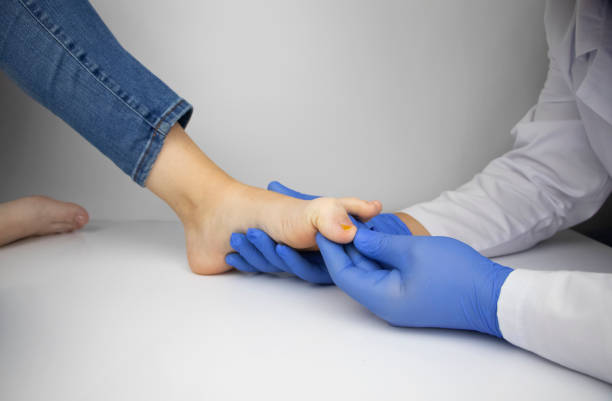
Often painless corns or calluses are just a cosmetic issue but when they are painful you should let a Thornbury podiatrists know. Never attempt to shave or pick at a callus yourself because you could damage healthy tissues underneath.

Calluses and corns are areas of thickened skin that protect against friction or pressure. They usually form on the soles of the feet or palms of the hands.

They can be caused by a medical condition that changes the normal alignment of the bones of your foot such as arthritis, bunions or hammertoes. They can also be due to the way you walk or use your feet which could cause certain areas of the foot to be overloaded e.g. the ball of your foot.

Athlete’s Foot

Athlete’s foot, also known as tinea pedis, is a fungal infection characterized by scaly, itchy skin between the toes. It spreads easily, usually in damp environments like showers and locker rooms, and by rubbing off on the hands and other body parts and spreading to new locations.

A podiatrist can help treat athlete’s foot by examining the affected area, taking scrapings and using a microscope to look for fungi. They may recommend over-the-counter antifungal ointments or powders and suggest changes to your footwear. They might also prescribe oral medication for severe cases.

Plantar Warts

Human papillomavirus (HPV) causes warts to grow in cracks and tiny cuts on the bottom of your feet. When left untreated, plantar warts can swell to an inch or more in circumference and develop into clusters of multiple warts known as mosaic warts.

Most warts are harmless, but they can be painful if you step on them. They can also spread by being scratched or buffed with an emery board or pumice stone.

Your podiatrist can use stronger peeling medicines with salicylic acid or plantar fasciitis treatment to remove your warts one layer at a time, with regular home application and office visits. They may also use a chemical burn called cantharidin to cause the warts to blister and fall off your foot.

Gout

Gout is a form of arthritis that causes pain and swelling in the joints. It often affects the big toe joint, but it can also affect other joints in the feet and ankles. It occurs when the body makes too much uric acid, which can build up in the joints and tissues. A podiatrist can prescribe drugs that lower urate levels to prevent gout attacks.

People with diabetes should see a podiatrist annually to have their feet examined for signs of foot ulcers or serious problems such as neuropathy, which can cause numbness in the feet and toes. A podiatrist can provide a range of treatments for these conditions, including orthotics and medication.

New Exercise Routine

Podiatrists can help with a wide variety of issues related to the feet and ankles, including recommending orthotics or other supportive devices. They can also help prevent issues like bunions and hammertoes by performing regular examinations.

Even healthy individuals should see a podiatrist at least once a year for a general foot exam. This can help detect early signs of disease, reduce the risk of injury and promote overall well-being. Diabetics in particular should see a podiatrist regularly to help prevent serious foot problems, such as loss of sensation and open wounds that could lead to amputation. Studies show that incorporating podiatrists into diabetic care significantly lowers the risk of amputation.